 Supriya Bhardwaj
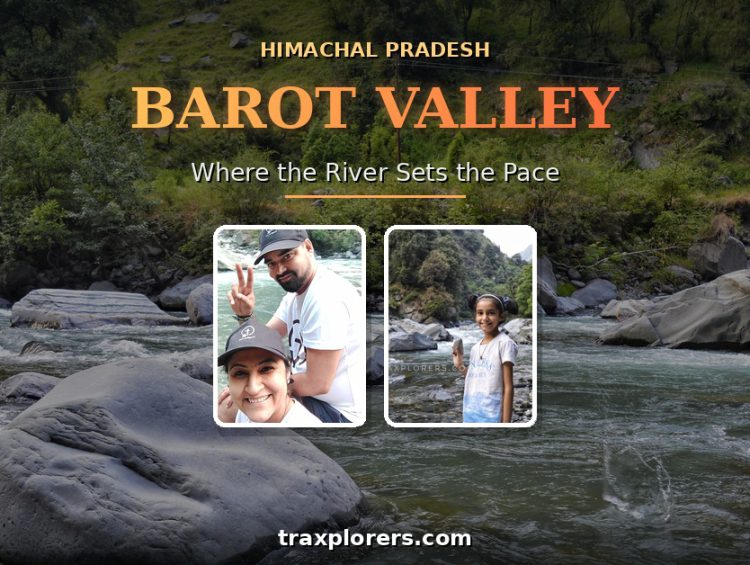
 Discover Barot Valley, Himachal Pradesh; a peaceful riverside escape near Mandi. Get the best time to visit, riverside homestays, must-try trout & how to reach.
Where the River Sets the Pace: A Complete Travel Guide to Himachal’s Quietest Valley
There is a particular kind of Himachal trip everyone has had at least once: bumper-to-bumper traffic on the Mall Road, a wait for a table at the same three cafes everyone else is also queuing at, a “scenic view” shared with fifty other phone cameras. Barot is the antidote to that trip. It is a narrow river valley in Mandi district, built into a fold of the Dhauladhar range at about 6,000 feet, where the Uhl River does most of the talking and the village does very little to interrupt it.
What makes Barot interesting isn’t a single headline attraction, it doesn’t have one. It has a reservoir built for a hydroelectric project a hundred years ago, a scattering of deodar and oak forest, and a handful of trails that shepherds used long before anyone called them “trekking routes.” It stayed cut off from the road network until the mid1970s, and that late arrival of tourism is exactly why it still feels unclaimed. This is a valley for people who would rather sit by a river with a book than chase a checklist. We went in planning to stay just one night but ended up staying two, and neither of us regretted a single hour of it (more on that below).
Our Time in Barot: A Traxplorers Story
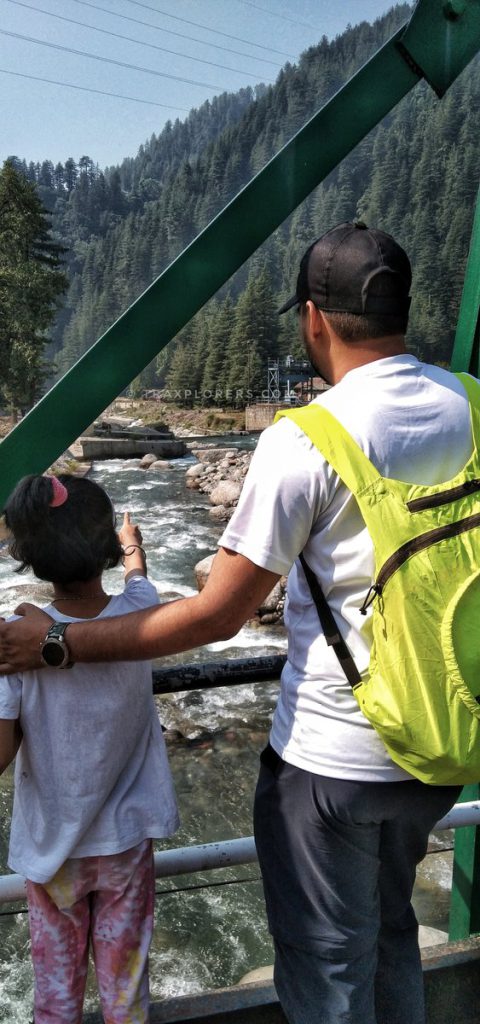
When the Traxplorers team first rolled into Barot, the plan was a quick one-night halt on the way to somewhere “bigger.” That plan didn’t survive the first evening. We had checked into a small riverside homestay, dropped our bags, and walked straight down to the Uhl before the light even faded and that was it, really. One night quietly turned into two, and most of that second day was spent doing absolutely nothing productive by the water.
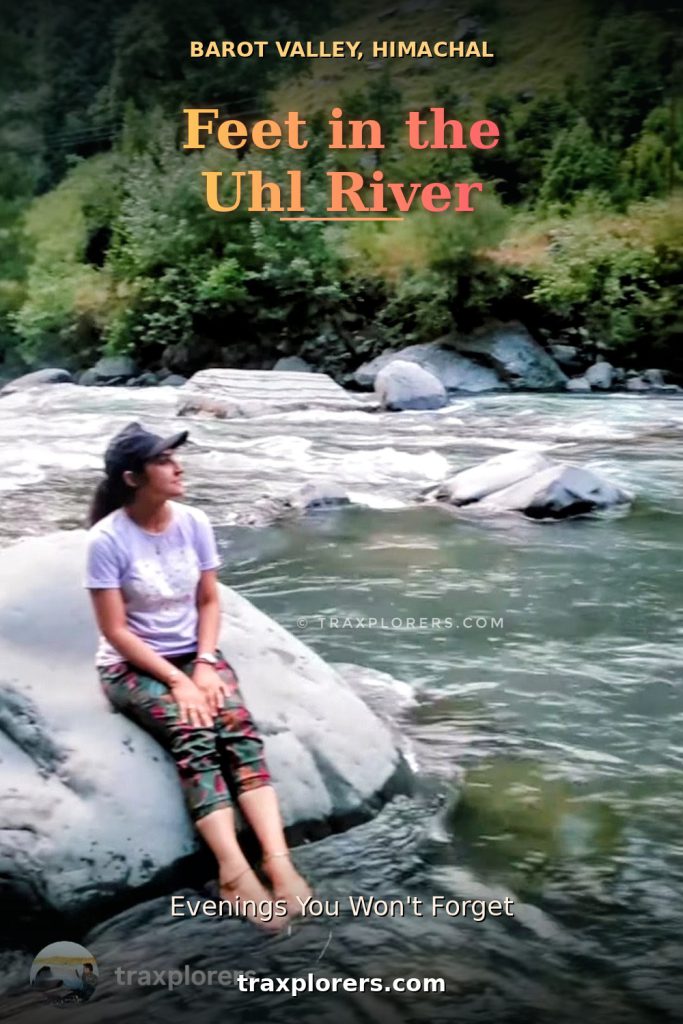
What stayed with us wasn’t a single moment but the rhythm of the place. Mornings started slow, with tea on the room’s balcony watching mist lift off the ridge. Afternoon was for wandering, nowhere in particular. And evening belonged entirely to the river. We’d walk down, find a flat stone, roll up our trousers, and just sit with our feet in the Uhl until the cold water stopped feeling cold. No one was checking their phone. No one was in a hurry to be anywhere else. It’s rare to find a place that asks so little of you and gives back so much in return, and Barot, for us, was exactly that kind of place.
Getting There
Barot sits roughly 65 km from Mandi town and about 40 km off the Jogindernagar-Mandi highway, via a diversion near a village called Ghatasni. If you are coming from further out, rough road distances look like this: Delhi to Barot is around 12-14 hours; Chandigarh cuts that down to 8-9 hours; and if you are already in Palampur or Bir, you are looking at a much shorter 3-hour hop.
Flying in: Your closest runways are Bhuntar near Kullu and Gaggal near Dharamshala, both roughly 3 to 3.5 hours from Barot by road, so budget for a cab or a pre-arranged pickup either way.
By train: Jogindernagar is the station to know, it is where a narrow-gauge line from Pathankot terminates, and honestly, riding that little train is half the fun if you have got the time to spare. From the station, it is about a two-hour drive into the valley.
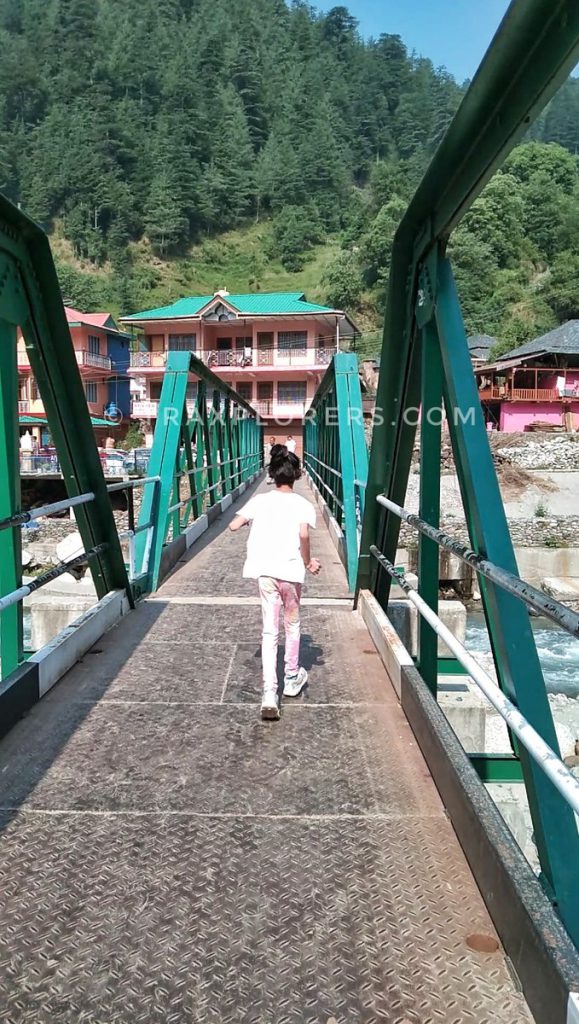
On the road: The last stretch, from Ghatasni through Jhatingri and Tikkan, is where the drive earns its keep, terraced fields giving way to cedar cover, with the road narrowing to a single lane in places as it hugs the Uhl. HRTC buses run this route from Mandi, Jogindernagar, and Palampur, and shared taxis fill in the gaps. It is not a fast journey. It is not meant to be.
Settling in: Don’t expect chain hotels. Barot’s accommodation is small-scale by design. Basic riverside guesthouses can go for as little as ₹700 a night, while homestays and camping setups with proper beds and washrooms usually land somewhere between ₹1,500 and ₹4,500. Homestays are the better bet if you want an actual conversation with someone who has lived here their whole life, and staying a short walk outside the main cluster of houses buys you extra quiet on top of an already quiet place.
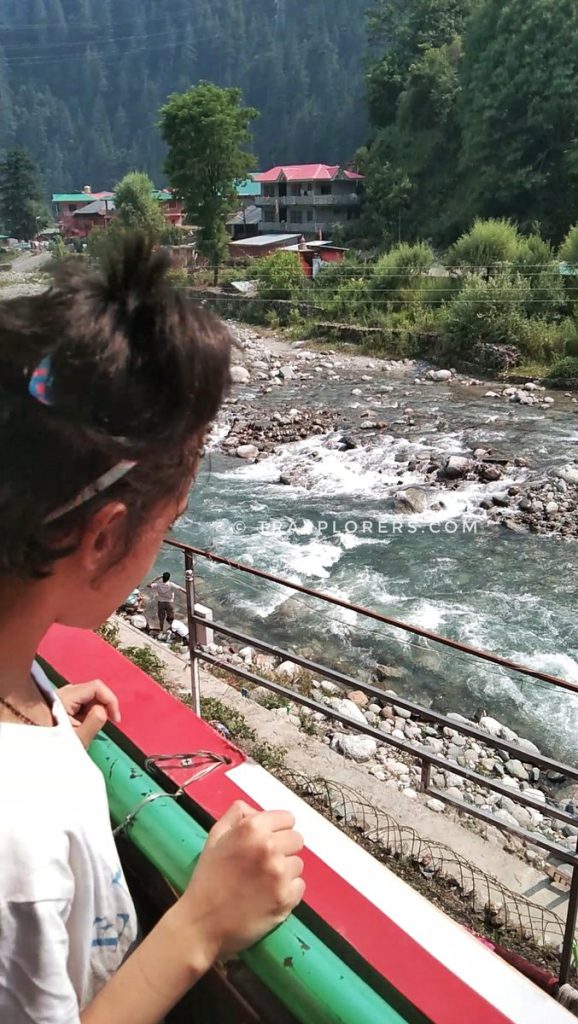
If we had to pick one thing to actually splurge on here, it’s the room. Go for a riverside homestay with a room that looks straight out onto the Uhl. Waking up to that view, and falling asleep to the sound of the river instead of silence, changes the whole trip. For something a little different, a few properties now offer dome-shaped tent stays along the riverbank: round, glass-fronted little pods that feel like camping without actually giving up your mattress. Either way, book the room with the view. It’s worth every rupee.
What Pulls People In
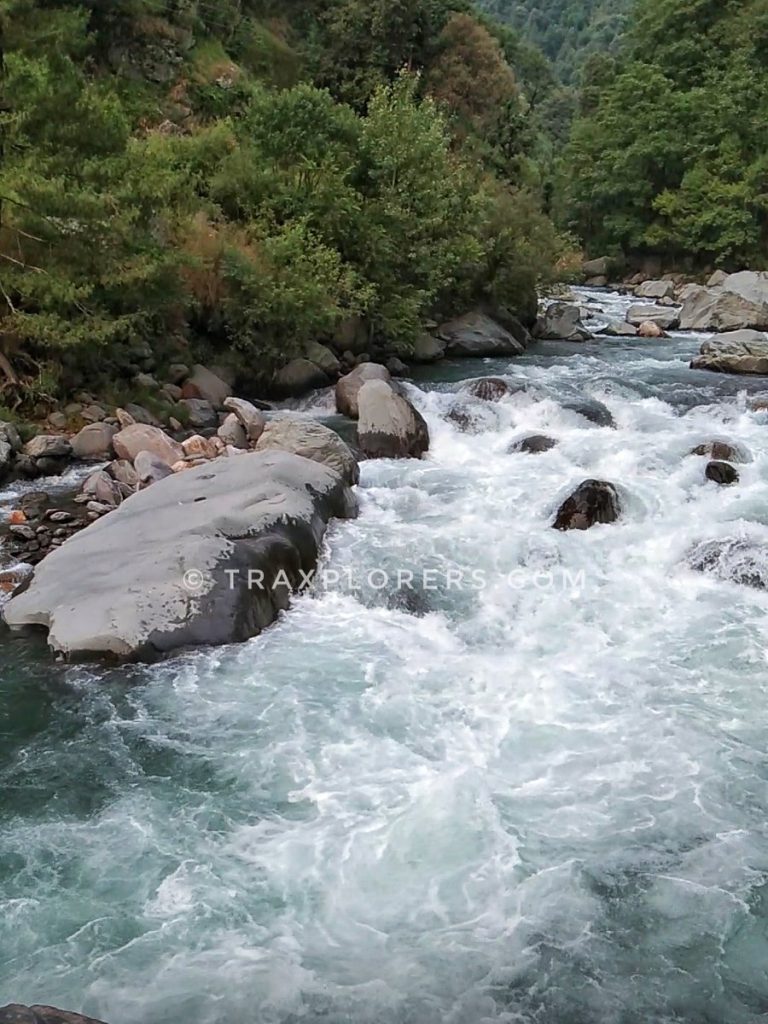
- The River itself. The Uhl has a reputation among anglers for trout, and there’s a breeding centre near the barrage where fish are raised before release. It’s worth a look even if you are not fishing, though you will need clearance from the farm office if you are.
- Trails that go somewhere real. Barot has historically been a stopover between Kullu and Kangra, and longer routes head out toward Bara Bhangal and Bir-Billing. If you are not up for a multi-day trek, shorter walks to villages like Kothi or Rajgundha give you the same forest and ridge scenery in an afternoon.
- Nargu Wildlife Sanctuary, across the river, is where you will find monal pheasants, ghoral, and the occasional black bear if you are patient and lucky.
- A living hydro-history lesson. The old Shanan powerhouse, colonial in style and still functioning, sits at the center of why this village exists at all. It is worth a slow walk through if you like your scenery with a bit of backstory. A short, walkable distance away, the newer Lambadug Hydroelectric Project also operates in the same area, built on the Lambadug and Uhl tributaries.
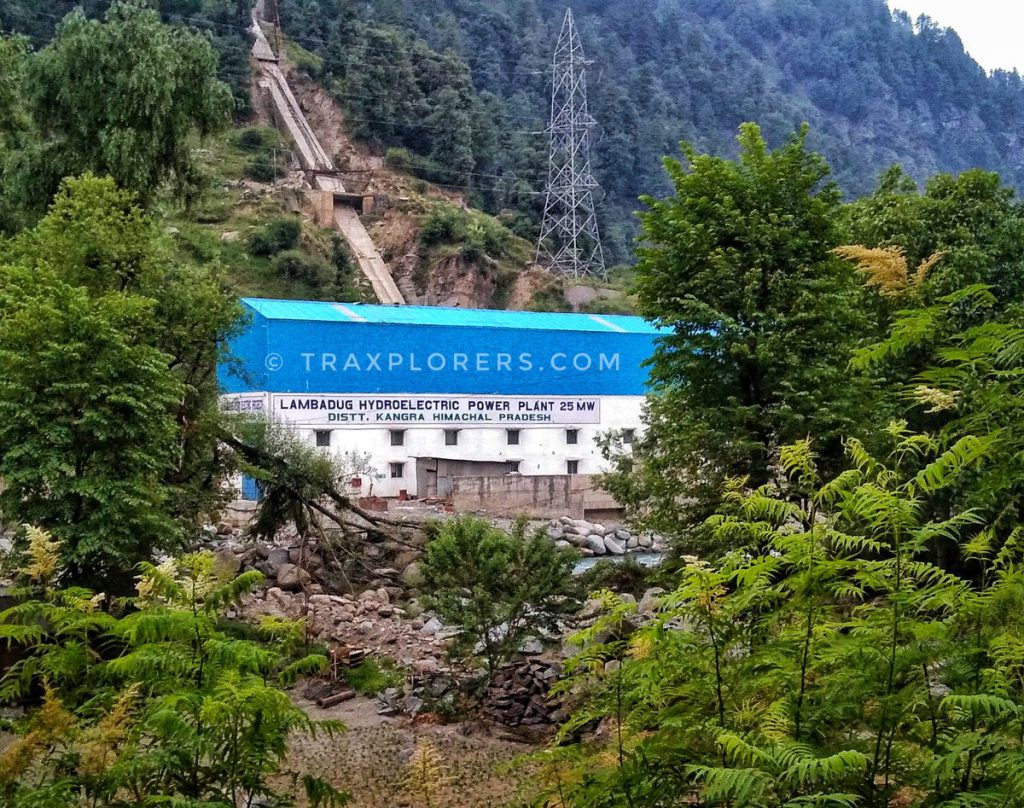
- Riverside camping, ranging from a tent and a sleeping bag to glamping setups that spoil you with an actual mattress.
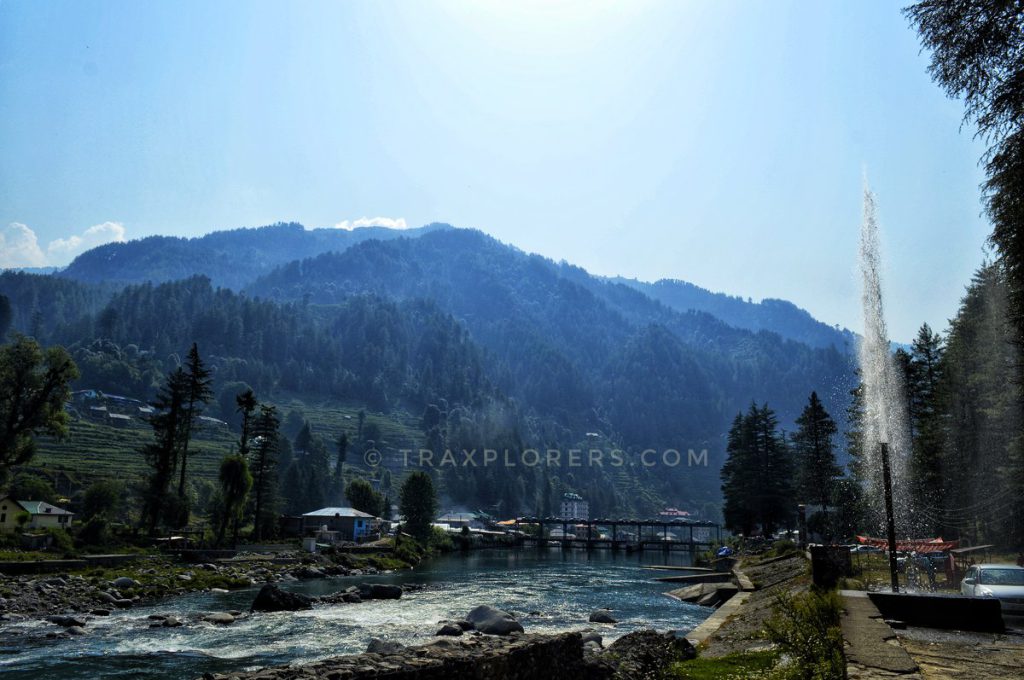
Where to Actually Spend Your Time: The Uhl River
If you only do one thing in Barot, let it be this: walk down to the Uhl in the evening, sit on the rocks, and put your feet in the water. That’s it. That’s the whole activity, and somehow it’s the best thing in the valley. The water is cold and clear enough to see straight through, and once the sun starts dropping behind the ridge, the light on the river turns gold for a few minutes before fading out. There is no soundtrack except the water itself moving over stone, no traffic, no music, no crowd. Bring nothing but yourself and maybe a flask of tea (chai), and just sit there until it gets properly dark. Every other sight in Barot is optional. This one isn’t.
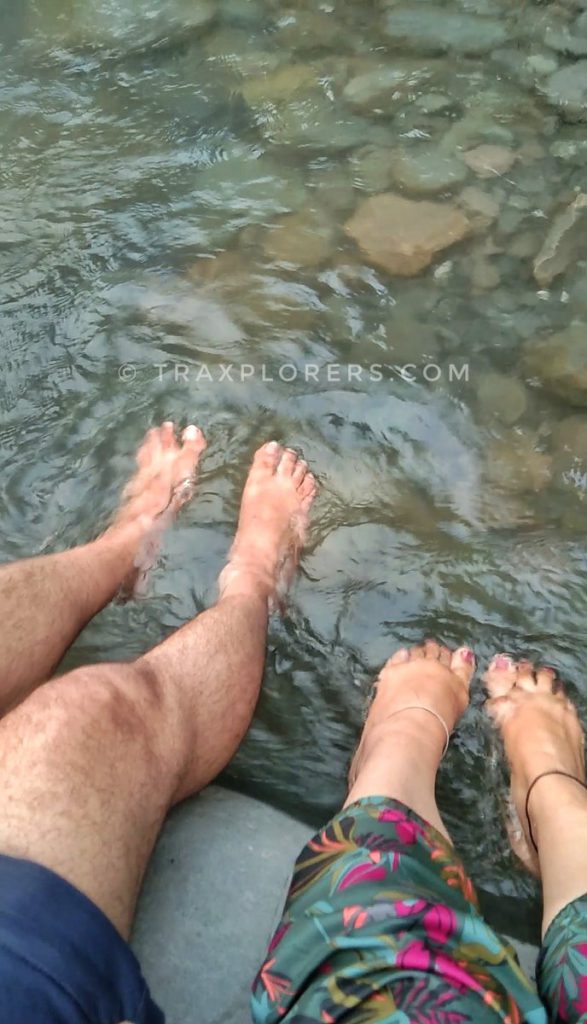
What to Eat
Barot won’t give you a food scene, and it doesn’t need one. The one dish worth planning your meals around is trout. Freshly caught from the Uhl and usually grilled or pan-fried with a simple mix of local spices, it’s the single must-try item here, and most homestays and small riverside eateries will cook it up on request if you ask a few hours ahead. Beyond that, expect home-style Himachali food: simple dals, seasonal mountain vegetables, rice, and rotis, usually cooked by the family running your homestay rather than a hired chef. It is not a place for variety, but what you do get is fresh, unfussy, and better than most city restaurants manage with twice the ingredients.
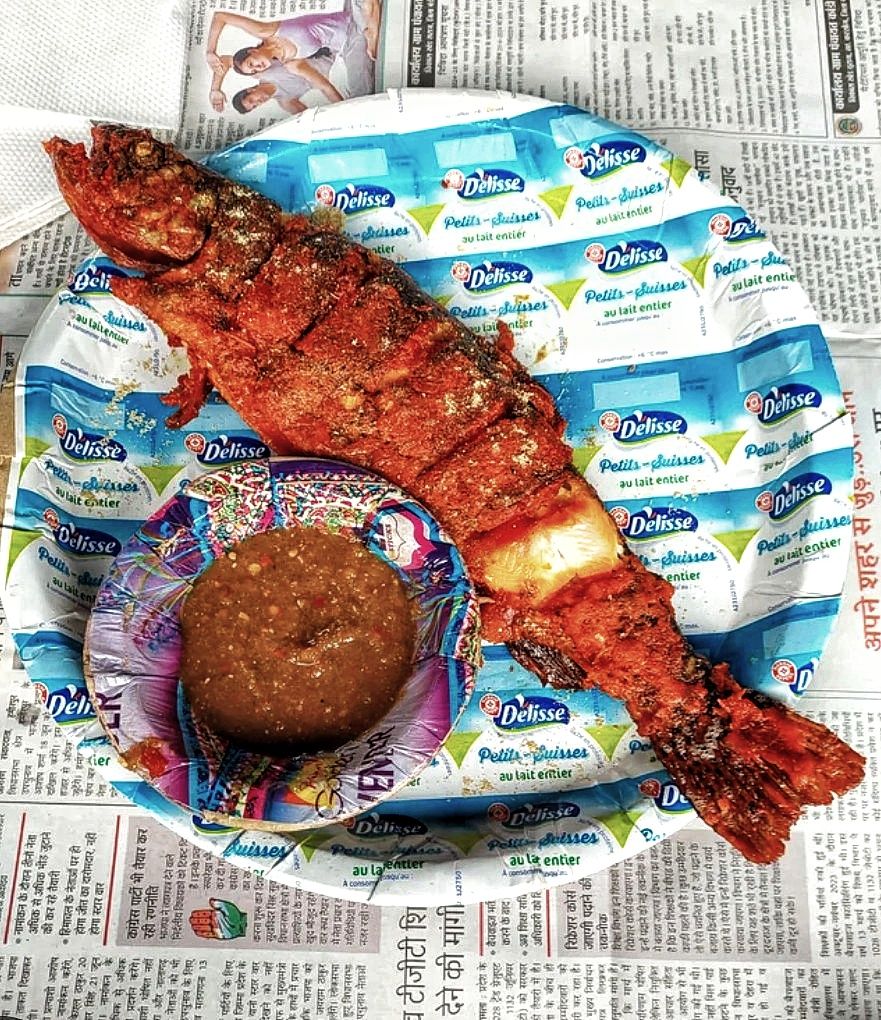
Setting Expectations
Barot rewards a specific kind of traveller: one who is fine without a restaurant menu longer than five items, patchy signal on their phone, and evenings that end early because there is genuinely nothing open past nine. The food is simple and homemade rather than curated. The “nightlife” is a bonfire if someone lights one. If you need constant stimulation, this isn’t your valley; if you want to actually notice a sky full of stars, it might be exactly what you are after.
If you are picking just one month, make it June. The weather sits in that sweet spot, warm enough for river evenings, cool enough for daytime walks, and the valley is at its greenest before the monsoon arrives. April and May work too, and winter (November to February) turns the valley into something closer to a postcard with snow on the higher ground, but June is when Barot feels most like itself. Monsoon (July-August) is the one stretch worth actively avoiding. The roads in are narrow to begin with, and heavy rain doesn’t do them any favors.
A Few Things Worth Sorting Out in Advance
- Book your stay ahead of time if you are travelling in peak summer weeks: options are limited enough that walking in without a plan can leave you stuck.
- Carry more cash than you think you will need. Card and UPI acceptance is inconsistent at best once you are off the highway.
- Sort fishing permission before you show up at the river. The trout farm office handles this, not the riverbank.
- Check current rules if you are heading into Nargu Wildlife Sanctuary rather than assuming open access.
- Drive that last stretch in daylight. The single-lane sections near Ghatasni aren’t the place to learn the road for the first time after dark.
- Pack layers even in summer: 6,000 feet means the evenings cool off fast, whatever the daytime temperature says.
- Leave the valley as quiet as you found it. It is a small, working village, not a resort town, so keep noise down and carry your trash back out with you.
Last Word
Barot is not going to hand you a highlight reel. What it offers instead is harder to photograph and easier to remember: a river you can actually hear, a forest you can actually walk through undisturbed, and a village that hasn’t yet reorganized itself around tourists. That won’t last forever. Quiet places rarely do once word gets around. For now, though, it is still there, still slow, still worth the long drive in.
More from Himachal 👉🏻 Baralacha La, Kheerganga Trek, Falachan Valley, Last Village of Tirthan Valley, Scaling Triund Trek, Kareri Lake Trekking & Camping, Dainkund Trekking & Camping Dalhousie, Dalhousie -Khajjiar-Chamba, Narkanda, Paragliding at Bir-Billing, Spiti, Hampta Pass Trek, Manali, Sirmaur, Kasauli
If Barot spoke to you the way it spoke to us. Share it forward, and save it for the trip you’ll actually take. 📌
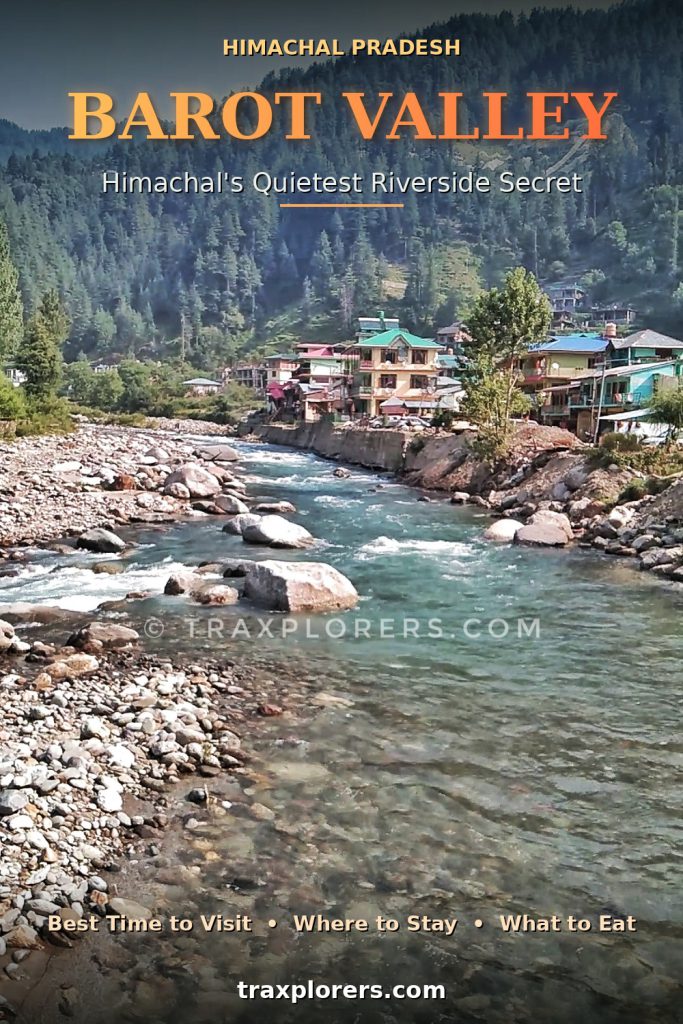
Barot Valley, Himachal Pradesh Travel, Offbeat Himachal, Mandi District, Hidden Gems India.